
A Dubai artificial-turf base should pass a hold point before roll delivery
Should turf rolls be dispatched when the base merely looks finished? No. For artificial turf installation in Dubai, delivery should remain blocked until excavation, services, aggregate, compaction, drainage, edge restraints and final elevations pass a formal hold point.
What should be approved before artificial-turf rolls are dispatched?
- Confirm the latest approved-for-construction drawings, revision numbers and turf-system build-up. The build-up must identify the turf, infill, shock pad where specified, bedding layer and structural aggregate.
- Check the turf manufacturer’s approved base construction, fixing details and warranty conditions against the work on site.
- Inspect buried valves, irrigation lines, sleeves and drainage pipes before aggregate conceals them.
- Review aggregate records, field-density results, survey levels, drainage checks and edge-restraint inspections required by the contract inspection and test plan.
- Record every hollow, soft pocket, blocked outlet, loose kerb and level conflict. Close each defect and attach the retest or inspection record.
- Confirm supplier lead time, unloading access and permitted storage conditions. A passed base does not protect rolls left in unsuitable heat or stacked against supplier instructions.
| Evidence category | Pass condition | Release owner |
|---|---|---|
| Documents | Current drawings, product requirements and inspection plan agree | Consultant or named contract reviewer |
| Site checks | Levels, drainage, density, edges and defects are accepted | Authorised inspector |
| Delivery release | Signed closeout pack and suitable access are confirmed | Named contractor and client-side signatory |
These checks also expose artificial-turf base scope gaps in landscaping quotations, including omitted testing, drainage work and defect correction.
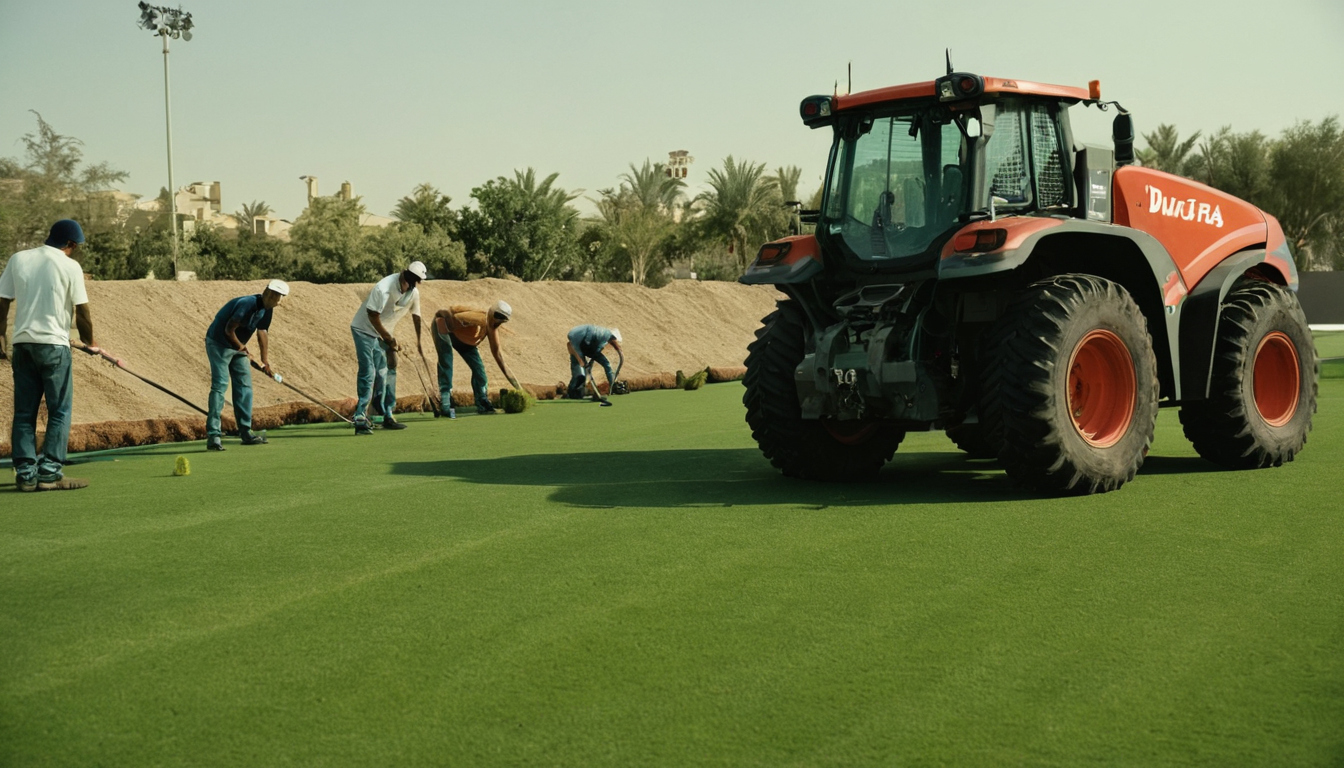
A Dubai artificial-turf base should pass a hold point before roll delivery shown as an editorial planning reference.
The intended use changes the artificial-turf acceptance criteria
A private villa lawn, commercial landscape, roof terrace, playground and sports area cannot share one acceptance sheet. Traffic, waterproofing, outlet capacity, shock-pad requirements, impact testing and specialist consultant approvals vary by declared use.
For a sports-field system, ASTM F2898-11(2019) provides a non-confined flood-test method for base-stone and synthetic-turf permeability when the project approves it. The test does not replace hydraulic design, outlet checks or investigation of the receiving subgrade. Likewise, a hose test and a hard-looking plate cannot replace survey or density records.
Once the release criteria are fixed, the next question is practical: how deep should excavation go for artificial grass installation in the UAE?
How deep should excavation go for artificial grass installation in the UAE?
Excavation must reach the calculated formation level and remove unsuitable material without disturbing foundations, irrigation mains or utilities. There is no universal depth. The turf system, compacted aggregate build-up, exposed subgrade and fixed finished levels control the cut.
- Set the proposed turf elevation from the project datum and adjoining fixed surfaces.
- Calculate downward through every compressed system layer, then expose and inspect the formation and buried services.
- Stop excavation and escalate loose fill, pumping ground, contamination or unidentified utilities to the responsible designer.
The excavation depth should be calculated from the final turf elevation
The contractor should survey existing levels, thresholds, kerbs, drain grates and inspection covers before cutting. Start with the specified finished turf elevation. Deduct the actual compressed thickness of the turf, infill, shock pad and each aggregate layer after compaction. The result is the required formation level.
The calculation must also preserve approved clearances at doors, waterproofing upstands, wall openings and drains. Check the formation survey against the project tolerance before importing stone. A shallow cut leaves the turf high. An excessive cut creates extra fill and another settlement risk.
Buried irrigation and services must be resolved before aggregate placement
Current utility records and irrigation as-built drawings should identify pipes, conduits, sleeves, valves, junction boxes and covers. Contractors should also check Dubai villa irrigation zones before covering buried lines.
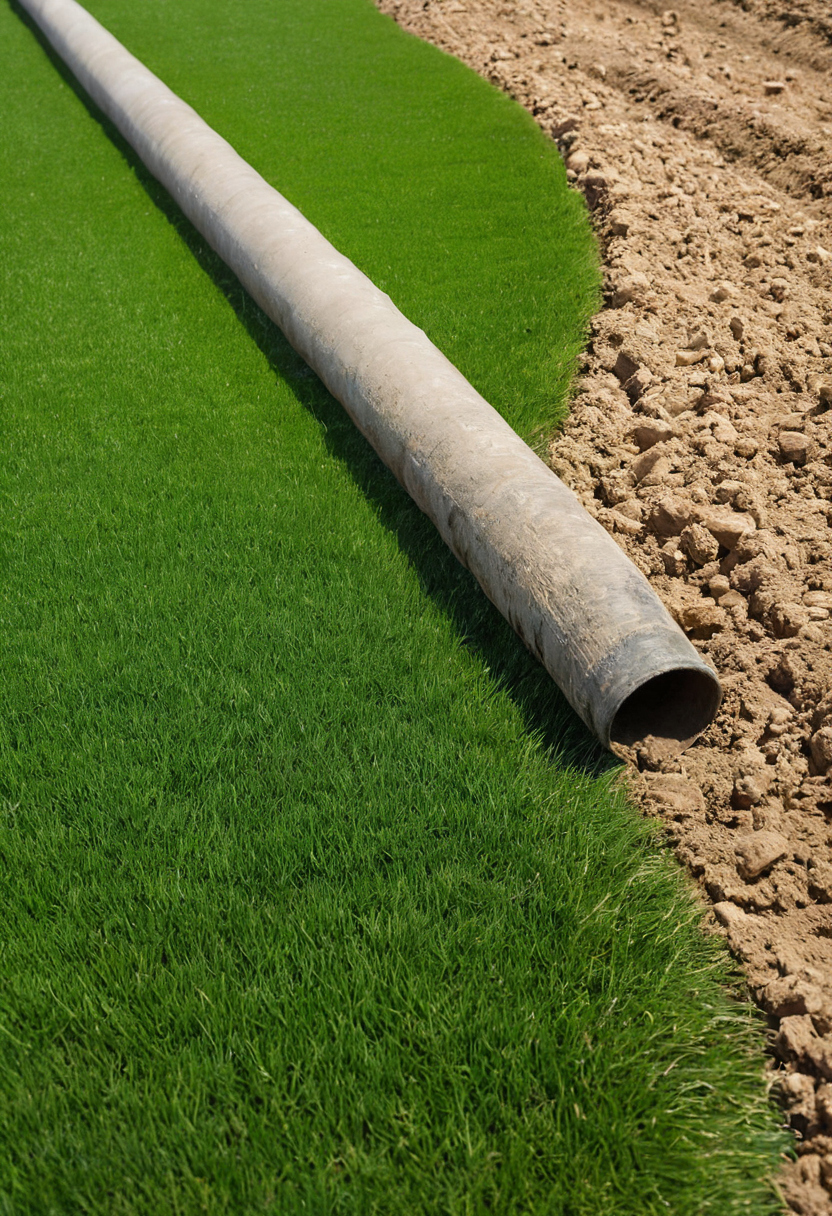
How deep should excavation go for artificial grass installation in the UAE shown with practical context cues.
Irrigation laterals that remain below the base need approved cover or protection and pressure-test or isolation records. Redundant lines need an approved abandonment or rerouting detail. Do not bury a valve or splice beneath compacted aggregate where maintenance would require cutting the finished lawn.
Unsuitable subgrade requires an engineer-approved repair
Excavation should stop where the exposed formation pumps, ruts, collapses or reveals variable fill, saturated pockets, expansive material or contamination. Record the location, level and condition with photographs and survey points.
The geotechnical or civil engineer should define the repair, which may involve undercutting, separation geotextile, stabilisation or approved replacement fill. Base construction can resume only after the repaired formation meets the project acceptance criteria. The next question is what aggregate records and field-density results prove that rebuilt formation is properly compacted.
The specified aggregate and field-density result determine whether the base is compacted
Artificial grass base preparation succeeds only when the specified aggregate is placed in controlled lifts and accepted against the project’s density method and target. A hard surface or repeated plate passes do not prove compliance.
What aggregate belongs beneath the specified artificial turf system?
The approved material must match the turf system, drainage design, shock pad, bedding layer and edge restraint. Check the supplier’s source declaration, test date and grading report against the project limits.
| Item | Record to inspect | Rejection trigger |
|---|---|---|
| Aggregate grading | Supplier report using ASTM C136/C136M sieve analysis, sampled as specified and compared with project grading limits | Wrong source, excessive fines or results outside the approved envelope |
| Lift placement | Inspection record showing formation approval, specified lift thickness, moisture conditioning and permitted compaction plant | Unverified thick lifts or unsuitable equipment beside pipes, drains, walls or waterproofing |
| Laboratory reference | ASTM D698 standard-effort curve only when specified, or ASTM D1557 modified-effort curve when specified and based on representative delivered material | Outdated, unrelated or incorrectly selected compaction curve |
| Field verification | Approved method, test frequency, coordinates, elevation, lift identity and acceptance target | Missing locations, failed results or no traceable comparison |
Aggregate should be placed and compacted in verified lifts
The contractor should spread each lift, adjust moisture where the engineer requires it, compact with the approved roller, plate or rammer, then trim and test. Failed areas need reworking and retesting before the next lift covers them.
Field-density results must refer to the correct laboratory compaction curve
ASTM D6938 may measure shallow in-place density and water content where nuclear testing is permitted and the operator, gauge calibration and radiation controls comply with the contract. The report still needs the specified target and matching laboratory reference. Compacted stone is only half the test. Water still needs a complete drainage route.
How should artificial turf drainage be proved before the surface is covered?
Artificial turf drainage in Dubai needs a continuous path from the perforated backing, through the base, to an approved outlet or draining subgrade. Site falls, outlet capacity and subgrade permeability must match the engineer’s design criteria. A hose test can expose ponding, but it cannot replace drainage calculations, survey records or specified tests.
The drainage route must continue beyond the perforated turf backing
The contractor should trace water on an approved cross-section through the turf, bedding, structural aggregate and receiving layer. Check the manufacturer’s backing drainage rating and test conditions, then locate slabs, foundations, waterproofing and retaining walls that could trap water. Where infiltration is intended, review verified permeability information, including relevant Dubai soil drainage tests. Subsoil drains also need confirmed gradients, filter details, accessible cleaning points and lawful discharge.
A controlled water test should check falls, ponding and outlet operation
The consultant-approved test method should state the application rate, duration and acceptance criteria. Apply water without flooding thresholds, waterproofed zones or electrical equipment. Observe flow across the base and discharge at every outlet. Compare outlet inverts with the as-built survey. Record depressions, slow drainage and standing water with marked locations and photographs.
Drainage defects must be corrected in the base rather than hidden with turf
Reverse falls, blocked outlets, isolated low spots and aggregate contaminated by subgrade fines should stop the work. Use only the approved repair, whether that means rebuilding a low area, replacing contaminated stone or clearing a drain. Any change to pipework, falls or discharge routes requires approval from the drainage designer and compliance with applicable authority or community rules. Retest each repair and close the defect record before delivery. The next check is whether every threshold, drain, kerb and cover meets the required finished level and surface tolerance.
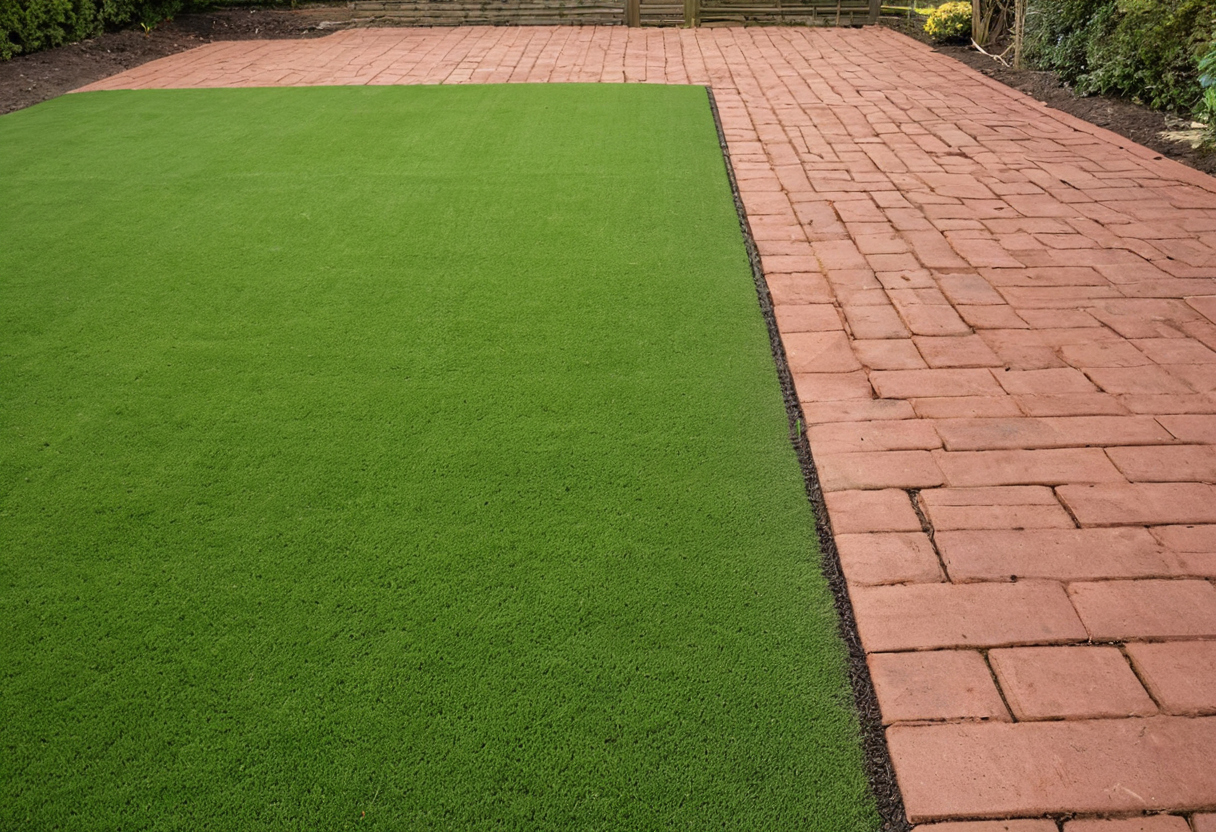
How should artificial turf drainage be proved before the surface is covered shown with practical context cues.
Finished levels and surface tolerance must be checked at every fixed edge
Finished base levels must allow for the turf backing, infill and any shock pad while preserving specified clearances at doors, walls, drains, kerbs and inspection covers. The compacted surface must match the approved datum, design falls and straightedge tolerance. Small ridges, soft spots and abrupt changes remain visible after artificial grass installation in the UAE.
Thresholds, drains and covers control the final turf elevation
An interface schedule should record the required elevation at every door sill, drain grate, channel, kerb, pool edge and inspection cover. Check the turf system’s installed thickness against these points. The finished turf must not obstruct a weep hole, bridge a waterproofing termination or create a trip edge beyond the project limit.
Straightedge and survey checks should find ridges before turf installation
The contractor should survey the specified grid and all critical interfaces from the approved setting-out datum. Apply the project’s stated straightedge length, maximum deviation and crossfall criteria. Mark high spots, depressions, soft patches and abrupt transitions on the base. Repair each failed area, compact it again and repeat the same survey and straightedge checks.
Edge restraints must remain stable at the approved elevation
The approved kerb, batten or restraint must sit below the completed turf surface while providing a sound fixing substrate. Inspect fixing spacing, cracked sections, loose anchors, movement joints and adhesive compatibility against the turf supplier’s detail. Reject any edge that rocks, stands proud or has shifted from line.
Once levels, falls and edges pass, what evidence must the contractor submit before approving turf delivery?
What must the contractor submit before approving turf delivery?
Base approval should use a recorded inspection, not a verbal instruction. The contractor should submit survey levels, density reports, drainage observations, edge checks, photographs and closed defect records. The release must also confirm suitable storage space and the turf manufacturer’s limit for keeping rolls wrapped or rolled in Dubai conditions.
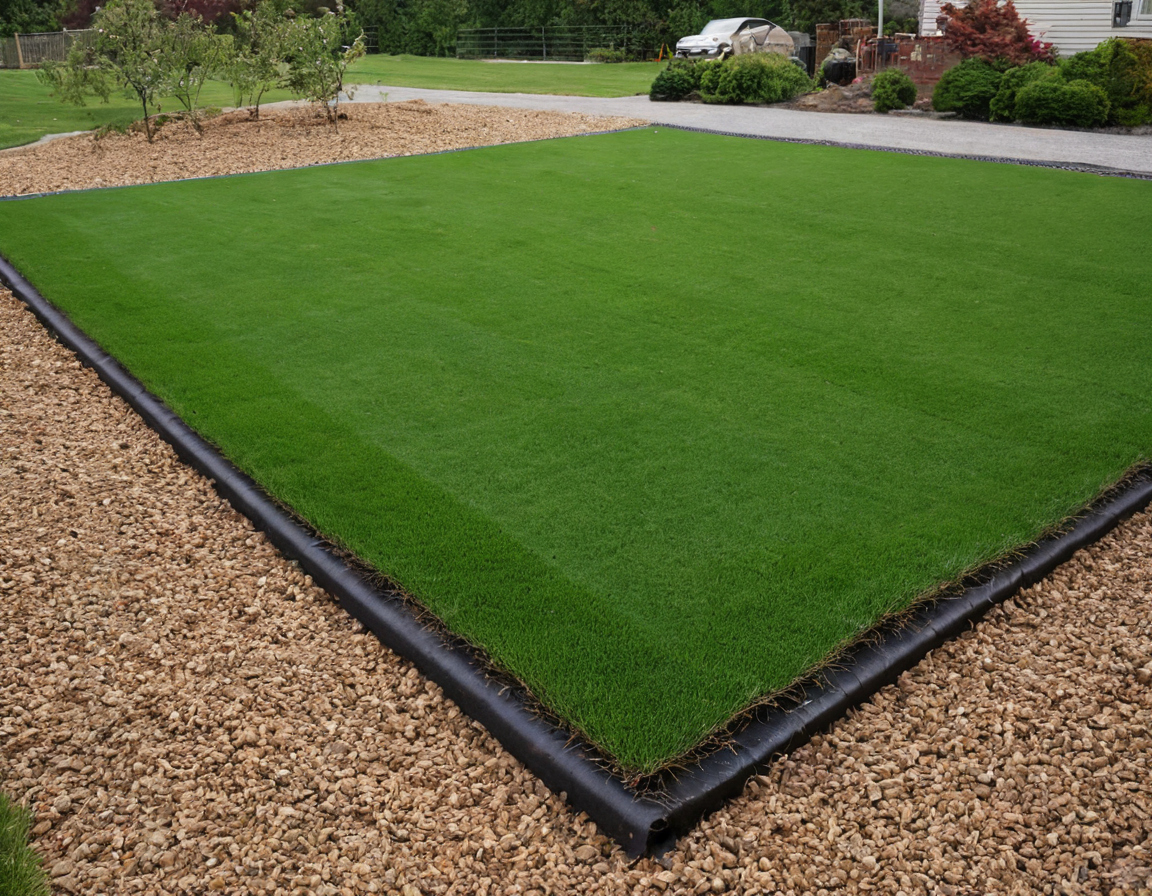
What must the contractor submit before approving turf delivery shown with practical context cues.
The pre-delivery release pack should be complete and traceable
The release pack should contain:
- The project inspection request and signed release form, with current drawing and specification revisions.
- An as-built level survey showing the datum, coordinates, falls and critical interfaces at thresholds, drains, kerbs and covers.
- Field-density report numbers linked to test locations and aggregate layers.
- Drainage-test observations, outlet checks and photographs taken before concealment.
- A defect list showing each correction, retest and closure.
- Approved departures, unresolved exclusions, signatory names, roles, release date and validity period.
Turf delivery should wait if access or storage conditions could damage the rolls
The logistics check must follow the turf manufacturer’s instructions for transport, unloading, storage orientation, stacking and maximum rolled-storage duration. Confirm vehicle access, lifting equipment, a clean and dry storage area, protection from dust, heat, moisture and traffic, plus crew readiness. Adhesive work must also suit the adhesive manufacturer’s permitted site conditions.
These defects should stop artificial grass installation in the UAE
Do not release the rolls if density tests fail, aggregate or layer thickness lacks approval, water stands, falls reverse, outlets remain blocked, or levels conflict with thresholds and covers. Loose edges, soft spots, contaminated stone, leaking services and a base build-up lacking manufacturer acceptance also require correction.
The practical decision is simple: dispatch turf only against a signed, current evidence pack, not because the base looks hard and flat.
Frequently asked questions
The correct answer to each base question comes from the approved turf system, project specification and measured site condition, not from a standard villa detail copied between projects.
What should be placed under artificial turf on a Dubai villa site?
Use the complete approved build-up for the selected turf. It may include prepared formation, separation material, structural aggregate, a fine regulating layer and a shock pad where specified. Aggregate grading, layer thickness and edge construction must match the drawings and manufacturer requirements.
How is the required excavation depth calculated for artificial grass installation in the UAE?
Set the finished turf elevation first. Calculate downward through the compressed turf, infill, shock pad and compacted aggregate layers. The resulting level is the formation level, subject to subgrade inspection and fixed interfaces such as thresholds, drains and covers.